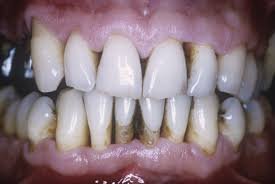
Bacteria lie at the root of gum disease. Heavy tartar build-up and inadequate oral hygiene create the conditions in which gum disease develops.

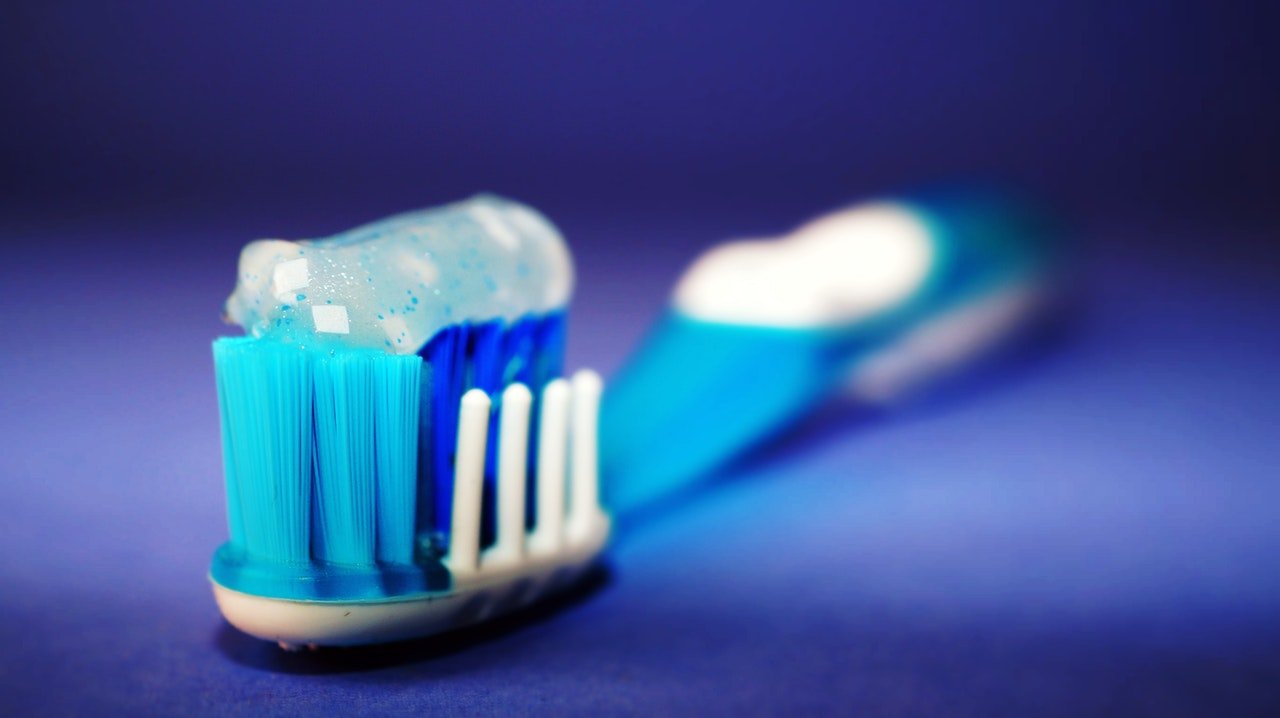
The oral cavity is home to millions of bacteria. Together with mucus and other particles found in saliva, these bacteria form a sticky, pale-coloured layer on the teeth known as "bacterial plaque". Plaque can be removed with effective oral care and tooth brushing. If it is not removed, however, it mineralises into a harder deposit — tartar (calculus). Bacteria lie at the root of gum disease: heavy tartar build-up and poor oral hygiene pave the way for it, while a shift of the oral microbial profile towards more pathogenic species also plays a role in the development of periodontal disease.
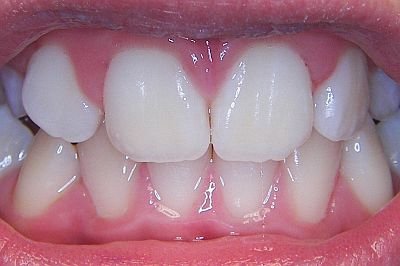

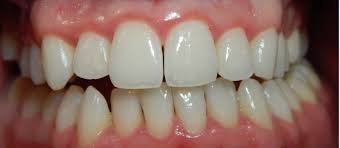
The long-term presence of bacterial plaque or tartar on the teeth brings harmful consequences. The inflammation that bacteria cause in the gums is called "gingivitis". Gingivitis is the mild form of gum disease and can be reversed with daily brushing, flossing and regular professional cleaning. In gingivitis there is no loss of the bone that surrounds and supports the tooth.


When gingivitis goes untreated for a long time, periodontitis (inflammation around the tooth) may develop. In periodontitis the attachment between the gum and the tooth weakens, and gaps known as "pockets" form between them. Although the immune system fights the bacterial plaque, bacteria continue to spread into deeper tissues. Bacterial toxins and the body's own immune response also destroy the bone around the tooth. Left untreated, this bone loss can cause the tooth to loosen and may make extraction necessary.


People generally do not notice gum problems until the ages of 30–40. Men are more prone to developing gum disease than women. Young people usually have gingivitis; periodontitis is rarely seen at a young age. With many factors coming into play (age, sex, dietary habits, smoking, systemic diseases, etc.), gum disease mostly occurs when bacteria breach the gums' defensive barrier and advance into deeper tissues.


All of these findings may be signs of serious gum problems that require examination by a periodontist. During the examination, to reach an accurate diagnosis your doctor may;