
Can smoking cause gum disease?
There is no study showing conclusively that smoking causes gum disease, but numerous studies have established that it accelerates bone loss in people who develop gum disease.

Does alcohol cause gum disease?
This has not been proven. However, there are studies showing that it increases the severity of some gum diseases.
Is gum disease linked to other diseases?
There is research showing that gum diseases are associated with diabetes, low birth weight, various lung diseases and heart disease. A great many studies have shown that periodontitis is especially common in people with diabetes.

Should I use mouthwash?
Mouthwash can never replace tooth brushing or interdental cleaning. It supports and enhances the effectiveness of brushing and interdental care. So you may use mouthwash, but it would not be correct to call it indispensable. If your doctor recommends it after operations or for certain diseases and treatments, you should definitely follow that advice.

How should I choose a toothbrush?
It is important that the brush you use suits the structure of your teeth and gums. Crowded teeth and well-aligned teeth cannot always be cleaned with the same brush. There are also brushes designed for sensitivity, gum recession or wisdom teeth in unusual positions. These recommendations should be made for you by a gum specialist.
Is tooth sensitivity related to gum disease?
Sensitivity is common in many people with gum disease. However, tooth sensitivity on its own does not mean you have gum disease. You should see a gum specialist to find out.
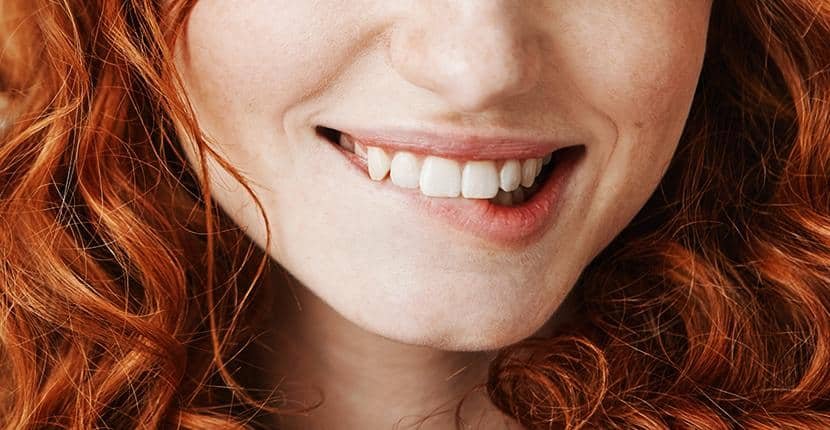
My gums show when I smile — can this be corrected?
Yes, this can be corrected, but an intraoral examination and X-ray evaluation are required. Usually, gum operations can adjust the gums so they no longer show. In very advanced cases the situation can be alleviated with camouflage treatments. Alongside these procedures, it may also be necessary to treat the tooth surfaces (laminate veneers, Empress, zirconia crowns).
What is curettage?
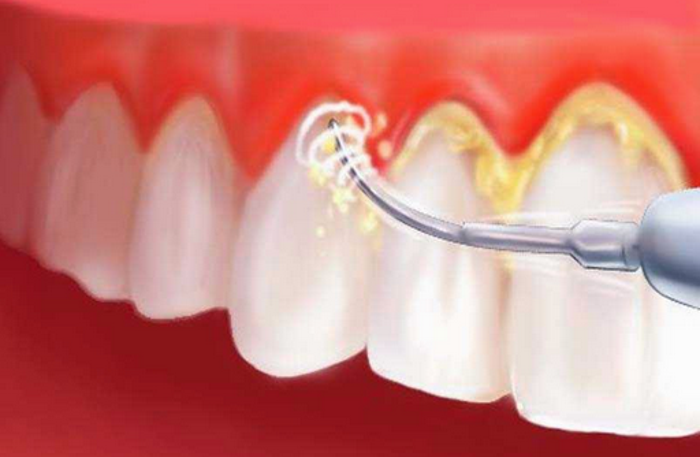
Curettage, or root planing, is the procedure performed in patients with bone loss after the tooth surfaces have been cleaned: deposits and calculus are removed from root surfaces that were once covered by bone and are now exposed, and the roughness of the root surface is smoothed. Special hand instruments are used to clean the root surface.
Will scaling make my teeth thinner?
During scaling only the calculus, plaque and staining that have accumulated on the surface of your teeth are removed, so there is no loss of tooth substance.

What causes jawbone resorption?
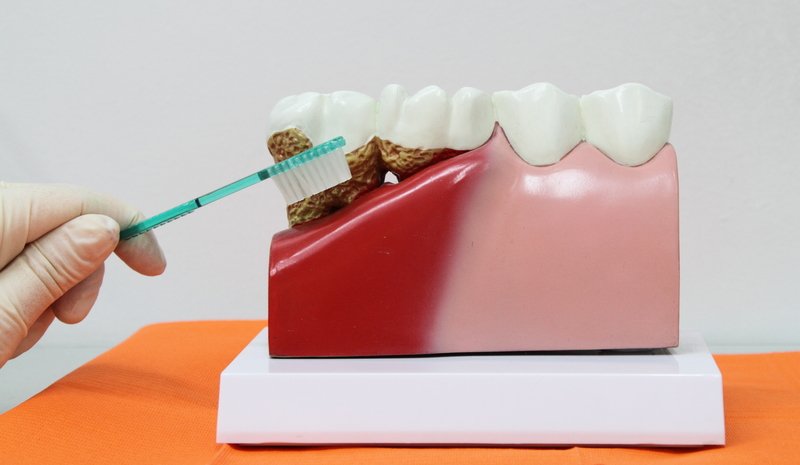
Food debris left uncleaned in the mouth gradually sticks to the tooth surface and hardens, forming the first stage of tartar. This deposit then mineralises further and grows with more uncleaned debris. The longer it remains, the more it damages the neighbouring gum and tooth and begins to advance below the gum line. As it moves under the gum, the irritation it causes and the accumulation of bacteria trigger inflammation in the gum. If this process continues, it leads to destruction of the alveolar bone just beneath the gum — in effect, bone resorption.
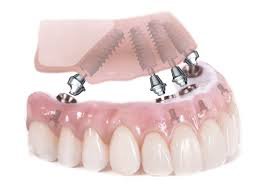
What is the All-on-4 system?
The system known as All-on-4 places 10–12 teeth on 4 implants in a single jaw, comfortably restoring all the functions of the teeth — chewing, speech and aesthetics. This system cannot be applied to every edentulous mouth; it has specific requirements, and the doctor decides whether they are met. If the measurements taken during surgery are suitable, temporary teeth can be fitted within 7 days of implant placement, allowing the patient to return quickly to social life.
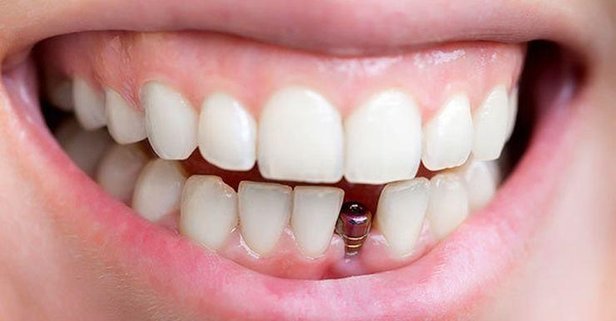
When are implants placed?
Dental implants are titanium screws used to replace missing teeth. Their primary purpose is to avoid grinding down the healthy teeth adjacent to the gap. The second purpose is to give people with removable dentures fixed teeth, and the third is to slow the rate of bone loss in the edentulous area.
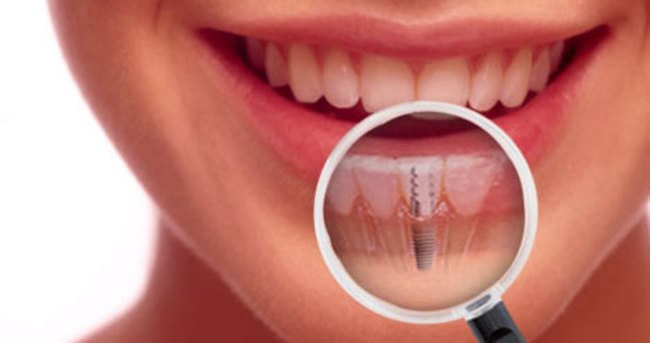
Can a tooth be fitted immediately after implant placement?
If adequate conditions are achieved, a temporary tooth can be fitted on the implant within a few days of placement. For the permanent tooth, however, the healing period must pass and the tooth must be made according to the final form of the tissues.
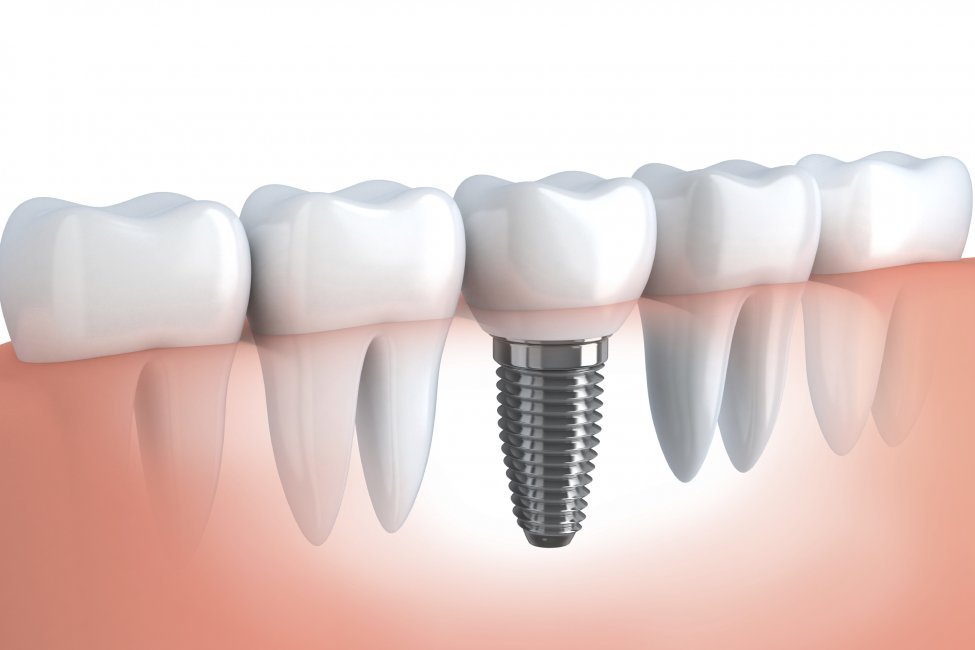
Can implants be placed if there is bone loss?
Implant technology has advanced greatly. We can comfortably place implants in many patients with advanced bone loss. It is sufficient for the patient to be healthy — or, if they have a condition, for it to be under control. The implant surgeon will evaluate such situations and provide the necessary information. In cases of advanced bone resorption, advanced surgical procedures can stimulate bone formation, after which implants can still be placed.
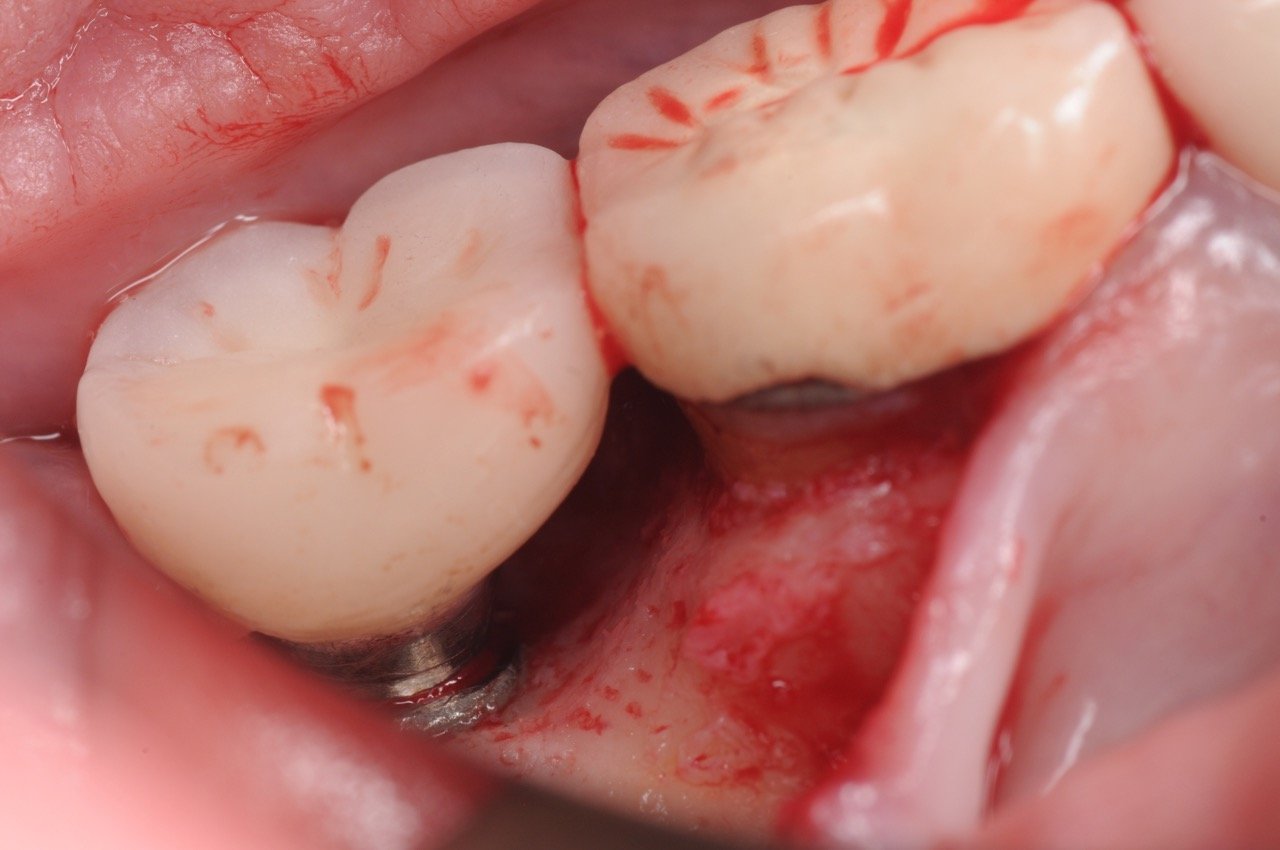
There is bleeding around my implant — what should I do?
This can be a sign of disease in the soft tissue (gum) around the implant. The best first step is to see a periodontist (gum specialist).
There is dark discolouration around my crowned teeth — can it be corrected?
Metal-ceramic crowns left unchanged for many years can cause dark or purplish discolouration of the gums over time. The crowns may need to be removed, the patient sometimes monitored with temporary teeth for a while, and afterwards, if necessary, the periodontist corrects the situation with gum surgery. If the condition resolves by itself after the prosthesis is removed, the new teeth can be made straight away.

Can people with gum disease have zirconia crowns?
Of course, zirconia crowns can be made for people with gum disease. Zirconia is a framework material, and having gum disease is no obstacle to using it. In fact, in the aesthetic zone it allows better-matched teeth than metal-based porcelain. Since zirconia can also be tinted, it is easier to use for mimicking lost tissues.
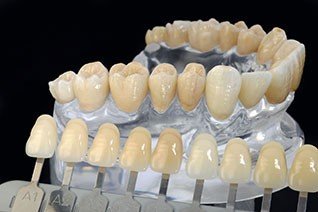
Which is healthier — zirconia or porcelain crowns?
Zirconia is a framework material and essentially a metal, onto which porcelain is layered. Frameworks that look grey inside contain nickel, chromium, cobalt and the like, and because of their colour give a duller appearance even under porcelain. That is the difference between zirconia and other metal-based porcelain crowns. In health terms there is no scientifically established difference.
Is zirconia expensive?
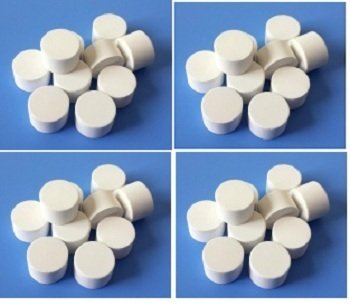
Because of the way zirconia frameworks are manufactured, their cost is higher. However, with more companies producing zirconia blanks and laboratory production techniques becoming easier and more widespread, prices have steadily fallen.
Are zirconia crowns easier to make?
There is no difference in the number of sessions between zirconia crowns and other metal-based crowns. They are made in a similar number of sessions. Whatever the material, it is possible to finish quickly, but that may mean skipping try-in sessions — which raises the error rate. Completing all try-ins gives more predictable results for the clinician, the patient and the laboratory.
Can zirconia crowns be fitted on implants?
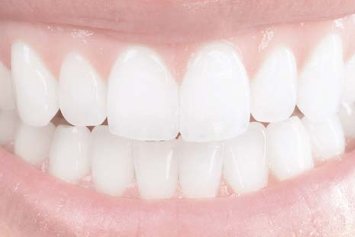
Absolutely. Zirconia is a framework material and can be used in all areas. However, if a zirconia crown is to be fitted on an implant in the anterior region, placing it on a zirconia abutment usually makes a difference.
Do zirconia implants exist?
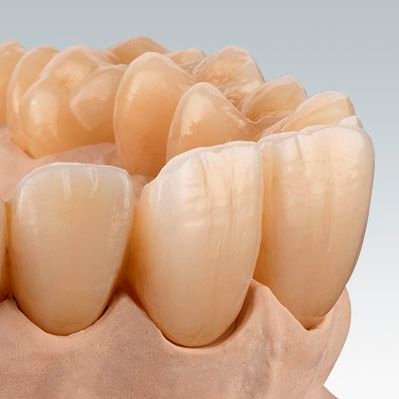
Implants made of zirconia do exist, but not every company produces them. The companies that do generally produce them in far smaller numbers than titanium implants.
Is periodontal treatment painful?
Local anaesthesia is used during the procedures, so you feel no pain. Some procedures can be followed by temporary sensitivity, caused by the removal of calculus from root surfaces exposed by gum recession.
How often should I have check-ups after treatment?
You are usually recalled every 4, 6 or 12 months, but your doctor may recommend a different check-up schedule based on your condition.
What is periodontology? What does it mean?
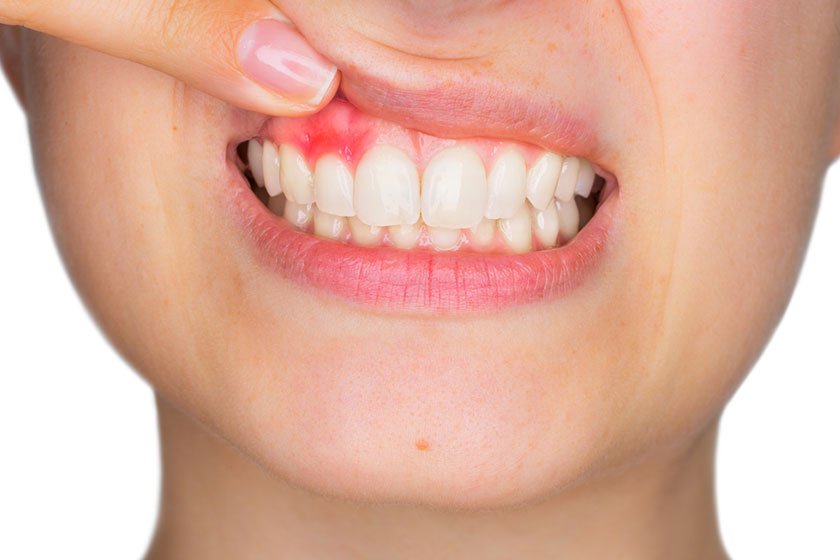
Periodontology is the branch of dentistry concerned with the diseases of the hard and soft tissues surrounding teeth and implants, and their treatment. The word means the science of the tissues surrounding the tooth. These tissues are: the cementum, which forms the outermost layer of the tooth root; the bone tissue surrounding the root; and the group of fibres connecting the root to the bone.