SMILE DESIGN AND PINK AESTHETICS

Smile design is the term for all procedures that reshape the region encompassing the teeth, gums, lips and the muscles of the smile line. People who seek smile design most often complain about the colour and crowding of their teeth. Yet the colour, position and shape of the gums are extremely important because of the contrast they create with the teeth — a point that must not be overlooked. For this reason, assessing the characteristics of the gums before redesigning the smile makes the outcome far more predictable.
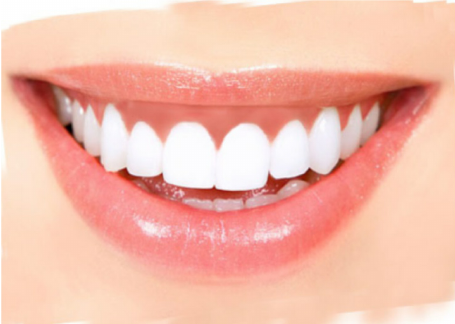
Smile design begins with a detailed intraoral and extraoral examination and a smile analysis. The patient's wishes are then discussed. Intraoral and smile photographs are taken. With an impression, the shape of the teeth and their bite relationships are transferred to the laboratory, and a design is planned according to the patient's wishes. At the second session, a laboratory-made wax-up is placed in the mouth so that the final shape the teeth could take can be seen without any preparation of the teeth. This makes it possible to see what kind of smile design can be achieved without any intervention in the mouth, and — based on this model — how the patient would like any further procedures to look. It gives the doctor and the patient a visual basis for discussion: they can exchange views on what can be done, whether expectations can be met, and what more is or is not possible.
In some cases whitening, orthodontic treatment, reshaping of the lip contours, implants and various aesthetic gum procedures known as pink aesthetics may also be performed.
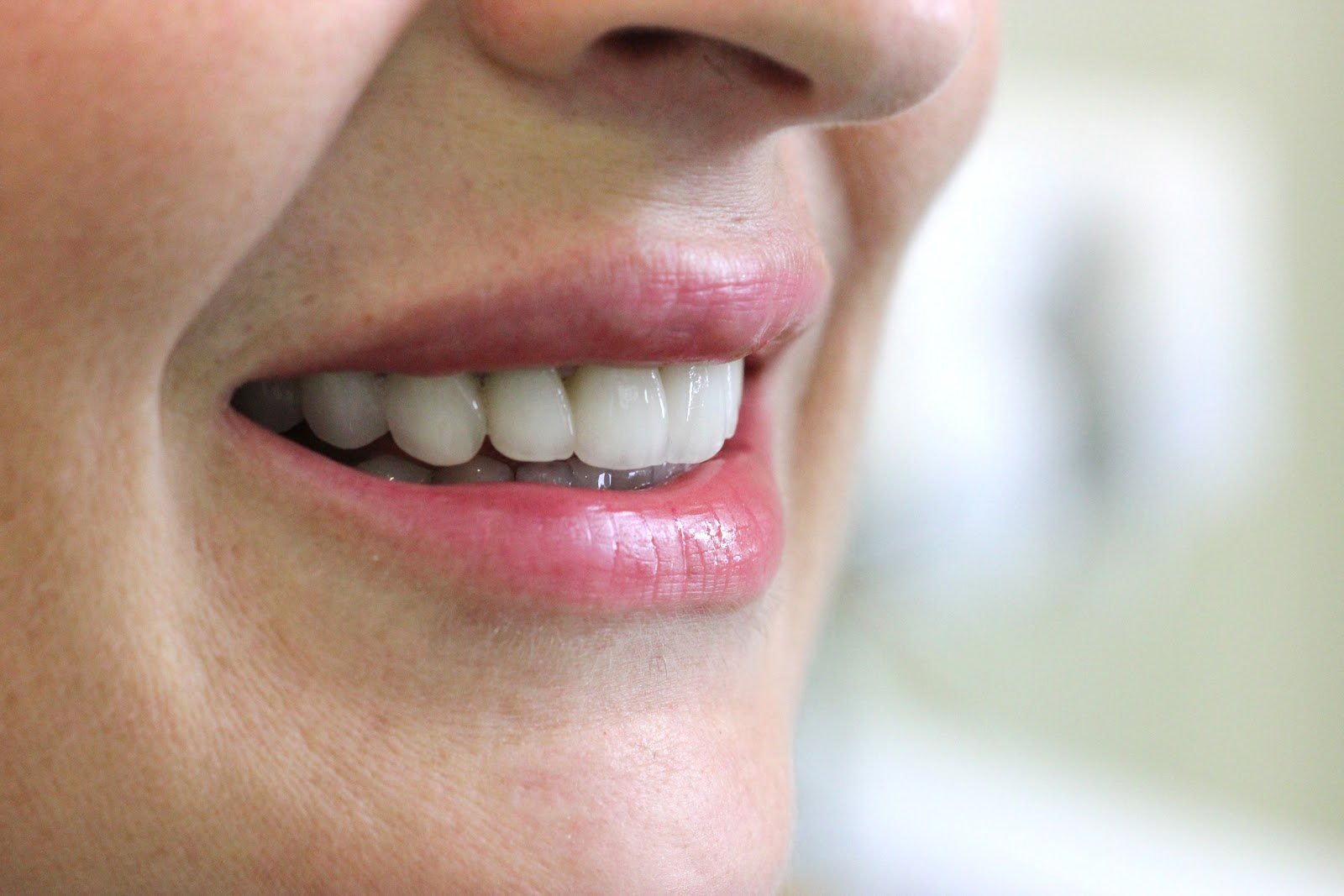
It is most commonly applied for crowded teeth and colour differences, but smile aesthetics can also be used in the following situations;
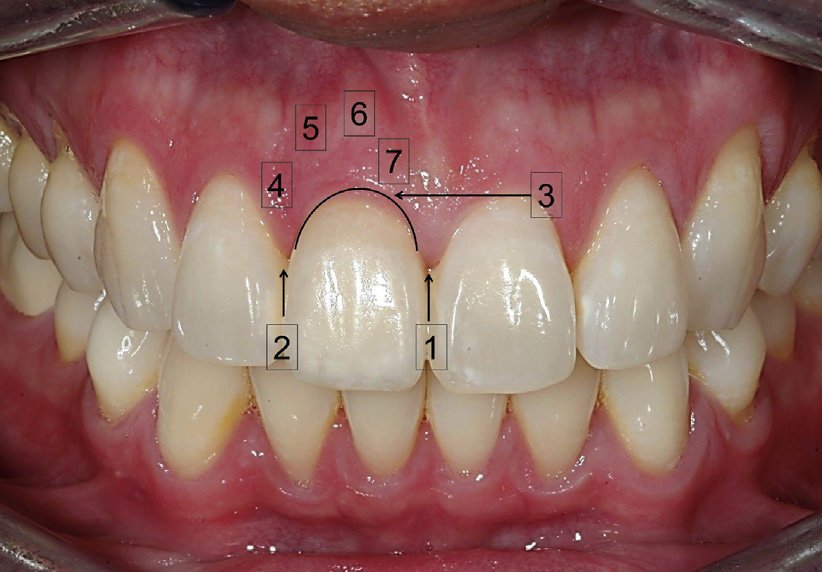
In cases of gum recession, some recessions can be covered with periodontal treatment and periodontal surgery. For people with a gummy smile, after an assessment of the lips, root lengths and the presence or absence of gum disease, removing part of the gum tissue can eliminate the gummy smile. In some cases the gummy smile is reduced so the gums are less visible.
In some individuals gum swellings develop, and because gum treatment was not carried out in time these swellings become permanent. Or they appear as a side effect of certain medications and persist even after the medication is changed or stopped. In these and similar situations, thinning the gum and removing the swollen tissue can be performed quite comfortably.
In some individuals, due to smoking, certain medications or various other causes, areas of discolouration (pigmentation) that did not exist before can appear on the gums. Once the underlying cause has been eliminated, this discolouration can be removed easily with a depigmentation procedure. If the pigmentation has advanced deep into the tissue layers, complete removal of the discolouration may not be possible.