HYALURONIC ACID APPLICATION

Hyaluronic acid is a polysaccharide composed of disaccharide units of N-acetylglucosamine and glucuronic acid.
Its main functions are to slow the effects of inflammation during wound healing, while promoting cell proliferation, supporting epithelialisation and reducing scar formation by inhibiting collagen production.
The use of hyaluronic acid in dentistry is recent, and it is not applied to every wound surface. Its preferred areas of use are the treatment of temporomandibular joint osteoarthritis, the treatment of certain ulcerative lesions in the mouth, and certain surgical procedures.
Hyaluronic acid is generally used against various inflammatory processes in the mouth, because the body's natural response during inflammation is to raise its hyaluronic acid level. Externally applied hyaluronic acid accelerates healing through the tissue's reaction to it. The oral mucosa is a continuously renewing tissue comprising the inner cheeks, the tongue, the floor of the mouth and the gums. Thanks to hyaluronic acid, these continuously renewing tissues can achieve faster cell proliferation.
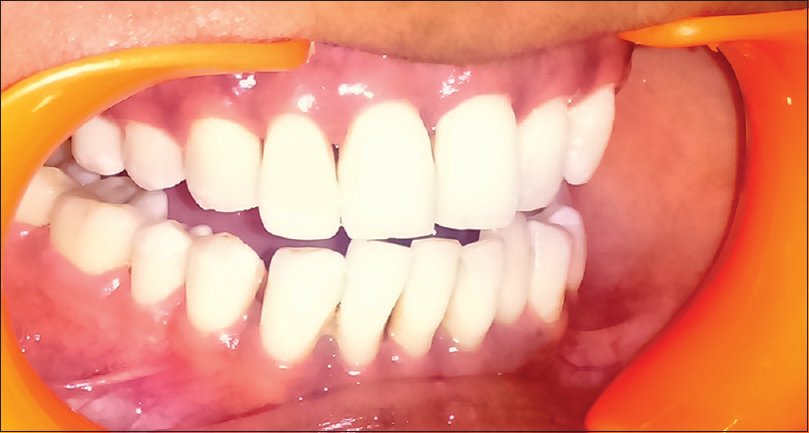
It can be used, on your doctor's recommendation, to accelerate healing and to prevent or reduce inflammation after oral irritation, gum injuries or gum surgery.
It is also used in inflammatory conditions of the gums and other areas of the mouth thanks to its bacteriostatic effect on certain bacteria — that is, its ability to inhibit bacterial growth.
In people with dry mouth — including dry mouth that can arise as a side effect of radiotherapy, chemotherapy or psychotropic drugs — it can provide relief.
Because it promotes rapid cell proliferation and serves as a scaffold for certain biomaterials, hyaluronic acid is used in various guided tissue regeneration techniques and in tissue engineering research.
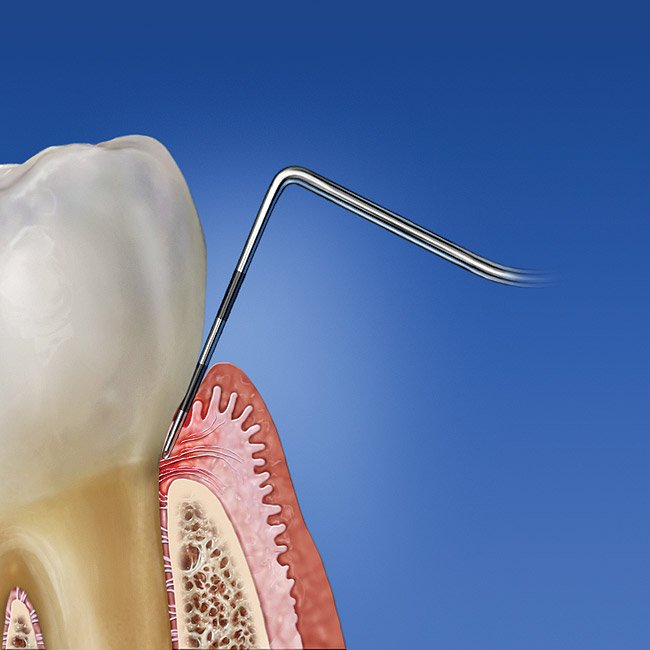
Hyaluronic acid has been detected at various levels in periodontal tissues. It is markedly higher in non-mineralised tissues such as the gingiva and periodontal ligament than in mineralised tissues such as cementum and alveolar bone. For these reasons it can be the material of choice in periodontal procedures. However, since hyaluronic acid dissolves easily in water, it is produced in different molecular weights through structural modifications, or used within membranes or resorbable sponges.
Nevertheless, more evidence is still needed: some studies report no additional benefit from hyaluronic acid, while others report better healing outcomes. The most sensible approach to the use of hyaluronic acid in periodontology is therefore to follow your periodontist's recommendation.