DEPIGMENTATION TREATMENT

The gum is a specialised part — inside the mouth — of the skin that covers our body. So, just as on our skin, discolouration can occasionally appear on our gums for a variety of reasons. These include amalgam fillings beneath the gum and fixed prostheses that press on the gum, as well as smoking. Some of these discolourations can be removed with certain procedures, while others can only be reduced.
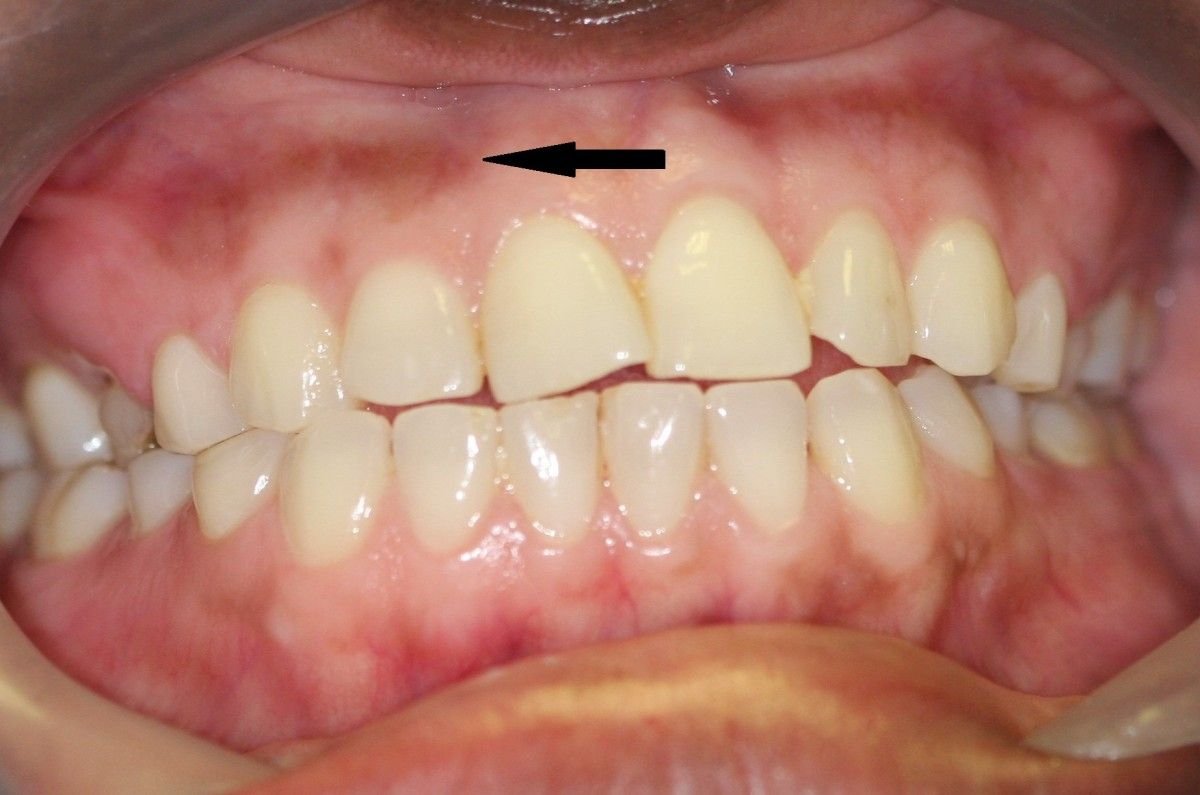
The cells responsible for gum discolouration are melanin-producing cells, just as in the skin. The nicotine in tobacco can cause melanocytes to produce more melanin, leading to discolouration of the gums. The gums typically turn brown or black. The discolouration may appear at a single point, at several points, or even throughout the entire mouth. In some cases it can also appear on the cheeks and the inner surface of the lips.
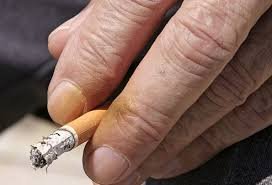
Gum discolouration caused by smoking can fade after quitting. In general, after smoking is stopped the discolouration becomes lighter in colour.
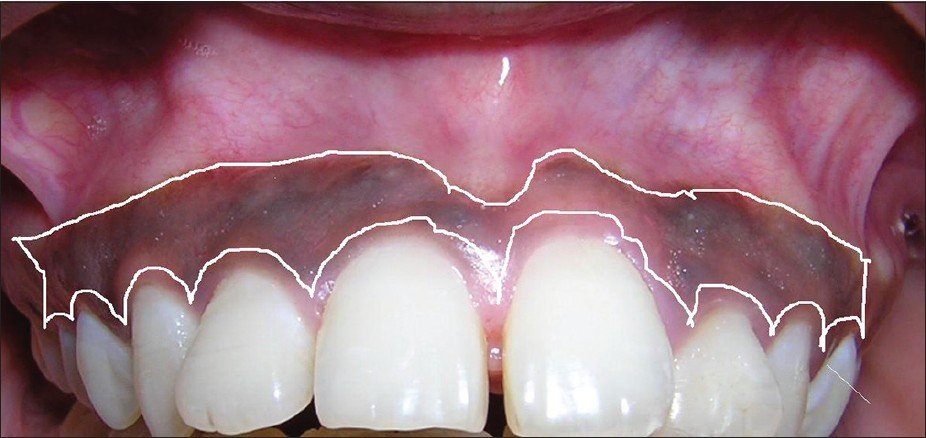
Yes — in certain diseases, discolouration can appear on the gums and other tissues in the mouth. Your doctor evaluates this with the necessary examinations or tests. Diseases that can cause discolouration include Addison's disease and Peutz-Jeghers syndrome.
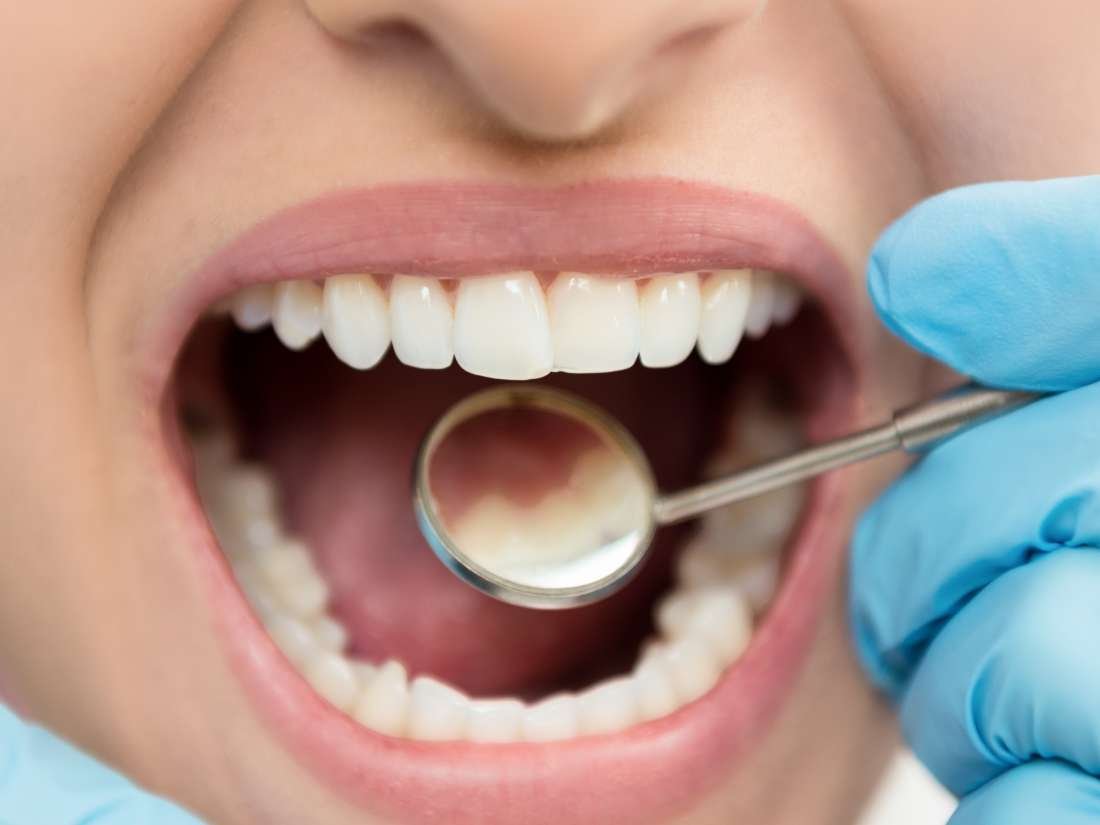
Minocycline is known to cause oral pigmentation, albeit rarely. In this case the patient should consult their doctor, since alternative medications may be available.
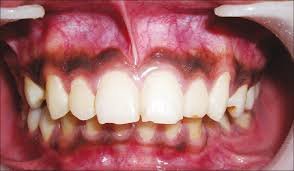
Depigmentation means removing an area of tissue where discolouration has occurred. The procedure can be applied when the gums have become discoloured for various reasons.
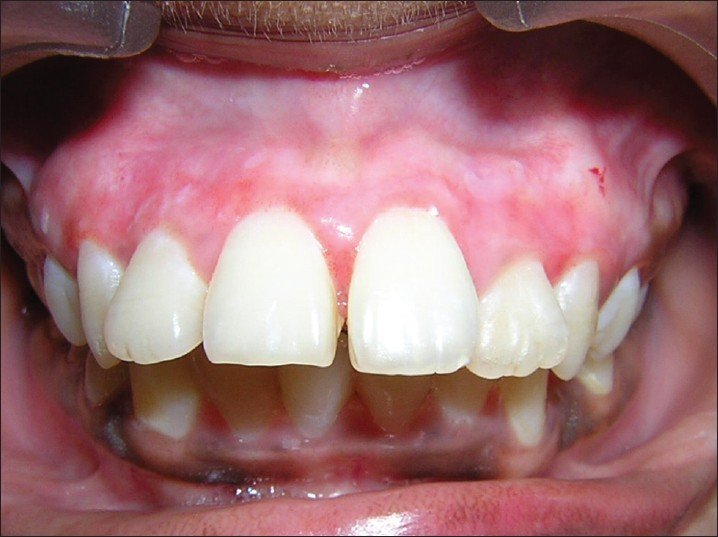
There are several techniques for depigmentation. The first step, however, is always to establish whether the gum discolouration has been present since development was completed or appeared later.
If the discolouration appeared later, the tissues adjacent to the discoloured area are evaluated during the intraoral examination. The patient is asked about smoking and other harmful habits (such as chewing on pencils), because treatment of discolouration begins with eliminating its cause. Otherwise, the same habits continuing after the procedure can cause the discolouration to reappear.
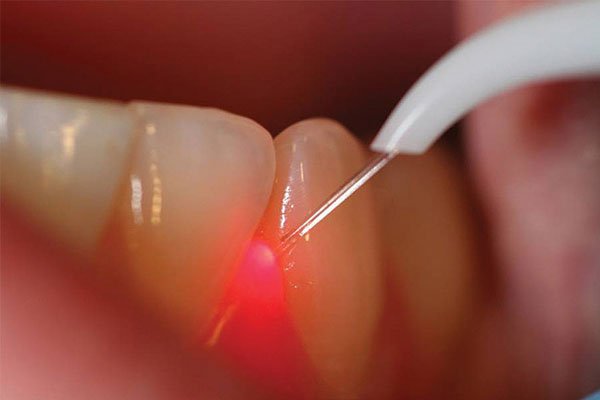
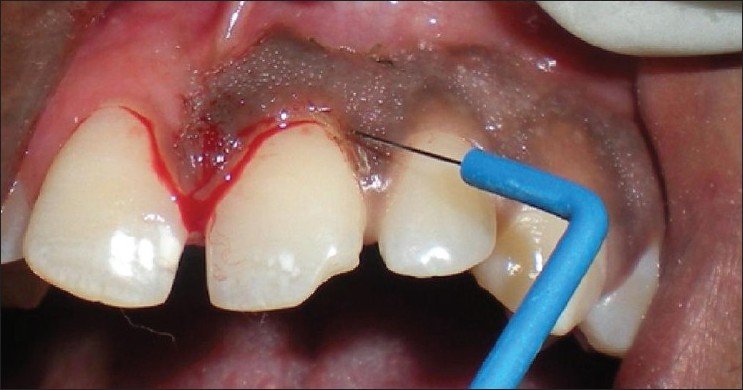
Depigmentation can be carried out with various burs, scalpels or lasers. Essentially, the discoloured tissue is removed together with its margins. However, not all of the tissue is removed — only within certain limits according to the depth of the discolouration and the anatomy of the area. For this reason, the discolouration sometimes cannot be removed completely, due to anatomical constraints or the depth of the affected tissue layer.
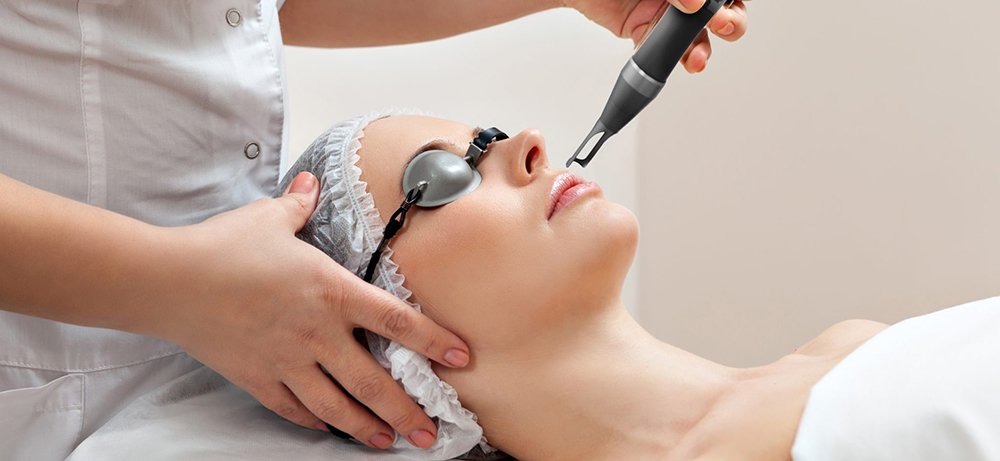
Depigmentation is performed under local anaesthesia and no pain is felt during the procedure.
After depigmentation, the wound surface is sometimes left open but is usually covered with periodontal dressings. In either case, painkillers are recommended — always under the doctor's supervision and according to their advice. The tissue is usually completely covered one week after the procedure, although it remains reddish. Over time the tissue regains its own colour, and by the end of one month it has reached its final shade.
Antibiotics are very rarely needed after depigmentation. Your doctor will prescribe them if deemed necessary.