GUM RECESSION TREATMENT

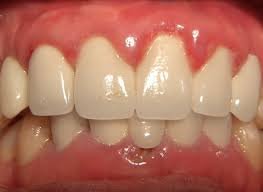
Gum recession is the displacement of the gum margin — caused by trauma, gum disease and other factors — in a way that leaves the root surface of the tooth exposed.
An exposed root surface is not only an aesthetic and functional problem; it can also cause complaints such as sensitivity or pain.
Some recessions can be reversed with very simple procedures, while others cannot be undone. In other words, recession may resolve after a single session of professional cleaning and oral hygiene instruction, but there are also recessions that will not improve even after various periodontal operations. Early intervention therefore makes it possible to treat or halt gum recession with fewer sessions and fewer procedures.
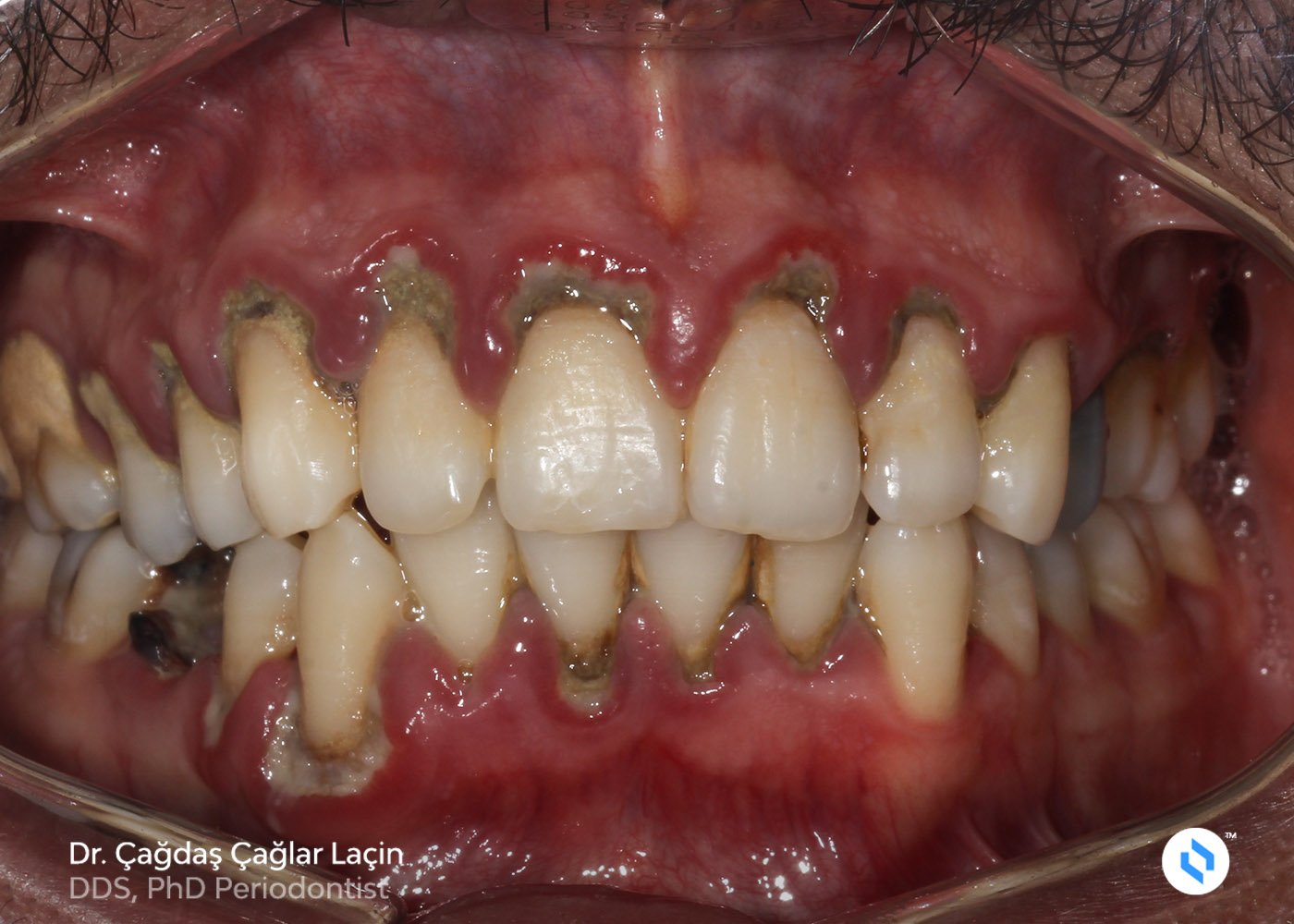
When gum recession is detected, the first thing a periodontist does is identify its cause. The causes of gum recession include;
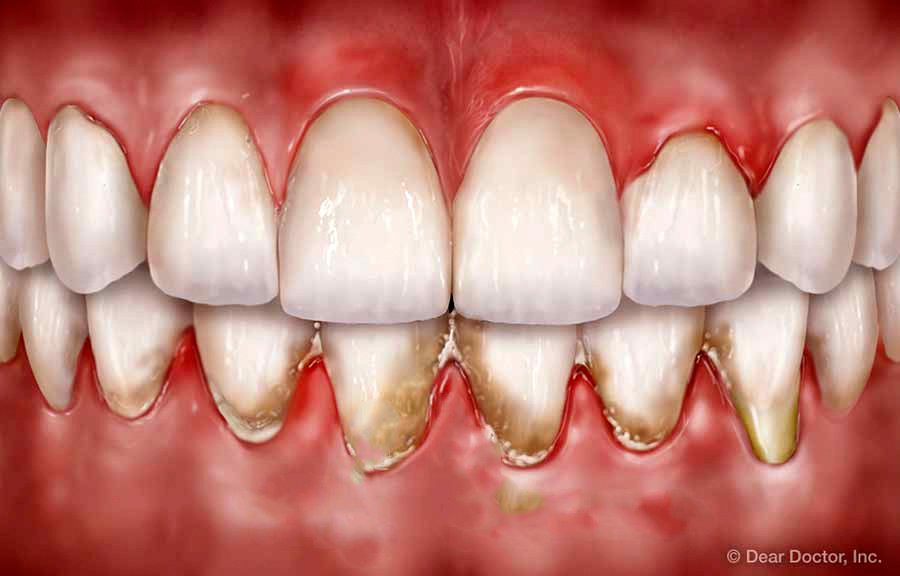
Gum recession is often perceived as something that must always be treated. That is not the case, because not every recession causes health problems. Recessions that cause no complaints, are not progressive and are not expected to cause problems in the near future are simply monitored by a periodontist. If the periodontist considers it appropriate, however, a treatment plan is drawn up to stop or reverse the recession.
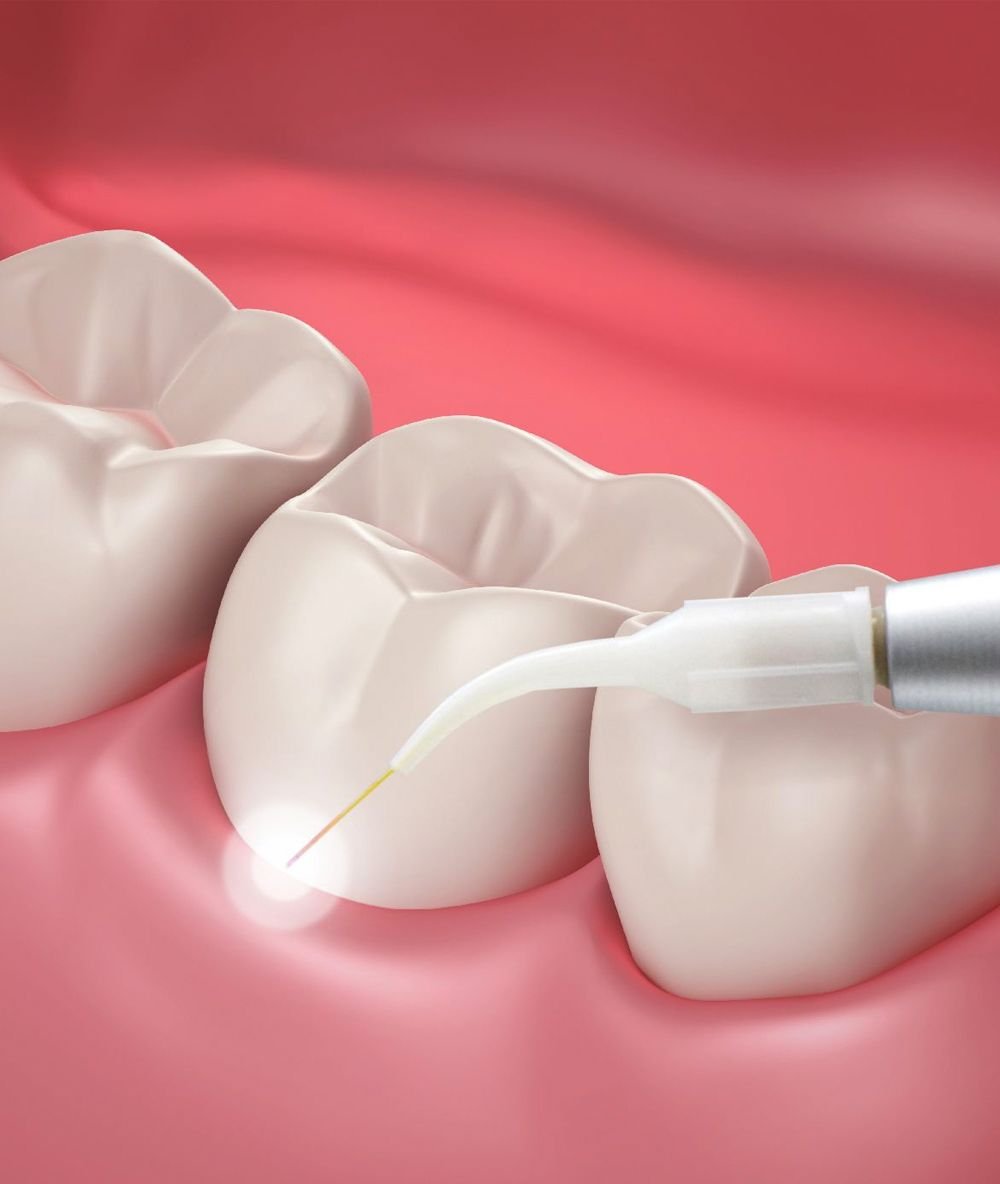
There are various methods of treating gum recession, and gum surgery is one of them. Many different gum operations exist, varying with the type and location of the recession and the individual's gum phenotype. However, gum surgery is not performed in every case of recession. Before deciding on surgery, the patient's oral hygiene must be established and the patient must be able to maintain the desired optimum level of hygiene. After the necessary follow-up, if conditions are suitable, the type of operation is planned, the plan is discussed with the patient and the surgical stage begins.
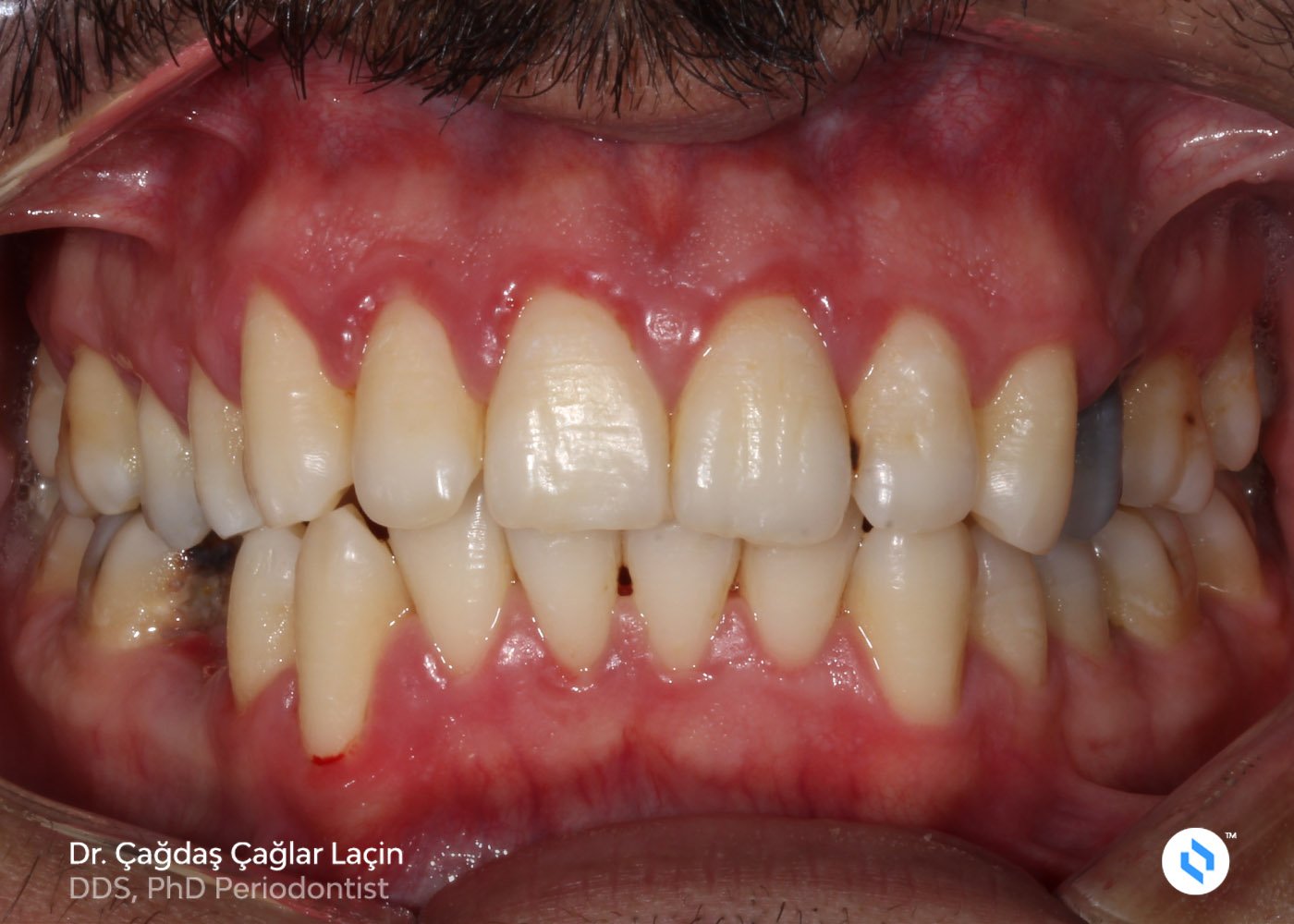
Gum operations performed for recession are not always aimed at covering the exposed root. The first goal is usually to stop the recession; the second is to cover it. That said, operations are sometimes planned specifically to cover the recession area partially or completely. The goals of these operations are defined and planned by the periodontist who performs the treatment and monitors the patient's oral hygiene.
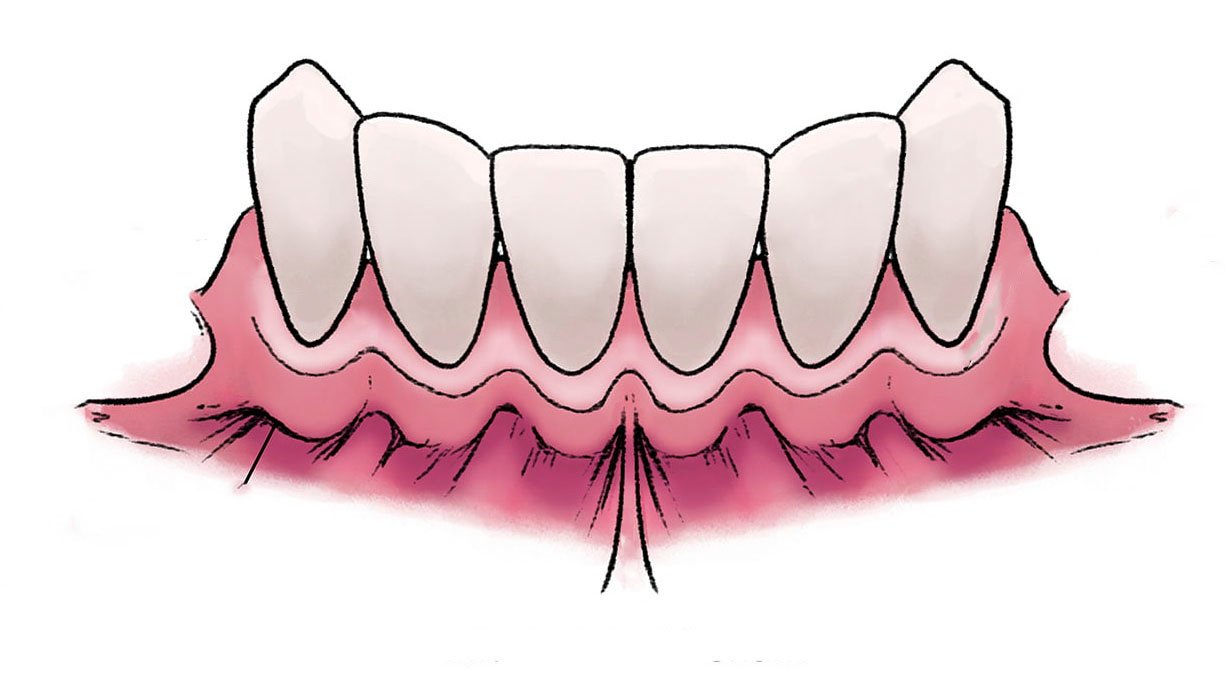
There is a band of tissue firmly attached to the jawbone that prevents the cheek and lip mucosa from pulling away from the edge of the tooth. This tissue is called attached gingiva, and when it is lost, promptly restoring it can sometimes allow the gum to be covered completely. It also acts as an important barrier against tooth loss.
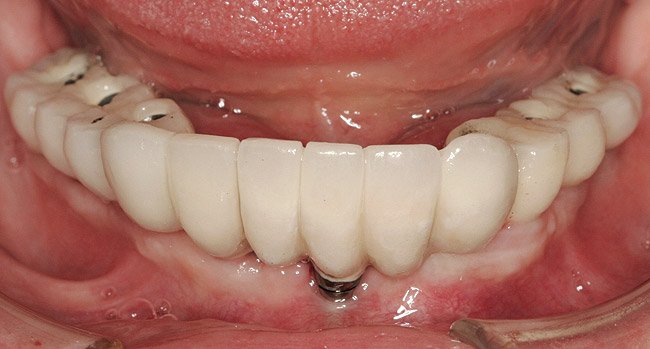
Free gingival graft operations are also performed around implants that lack attached gingiva, because implants need to be surrounded by the same healthy gum tissues found around a healthy natural tooth. Deficiencies can lead to various problems, up to and including loss of the implant.
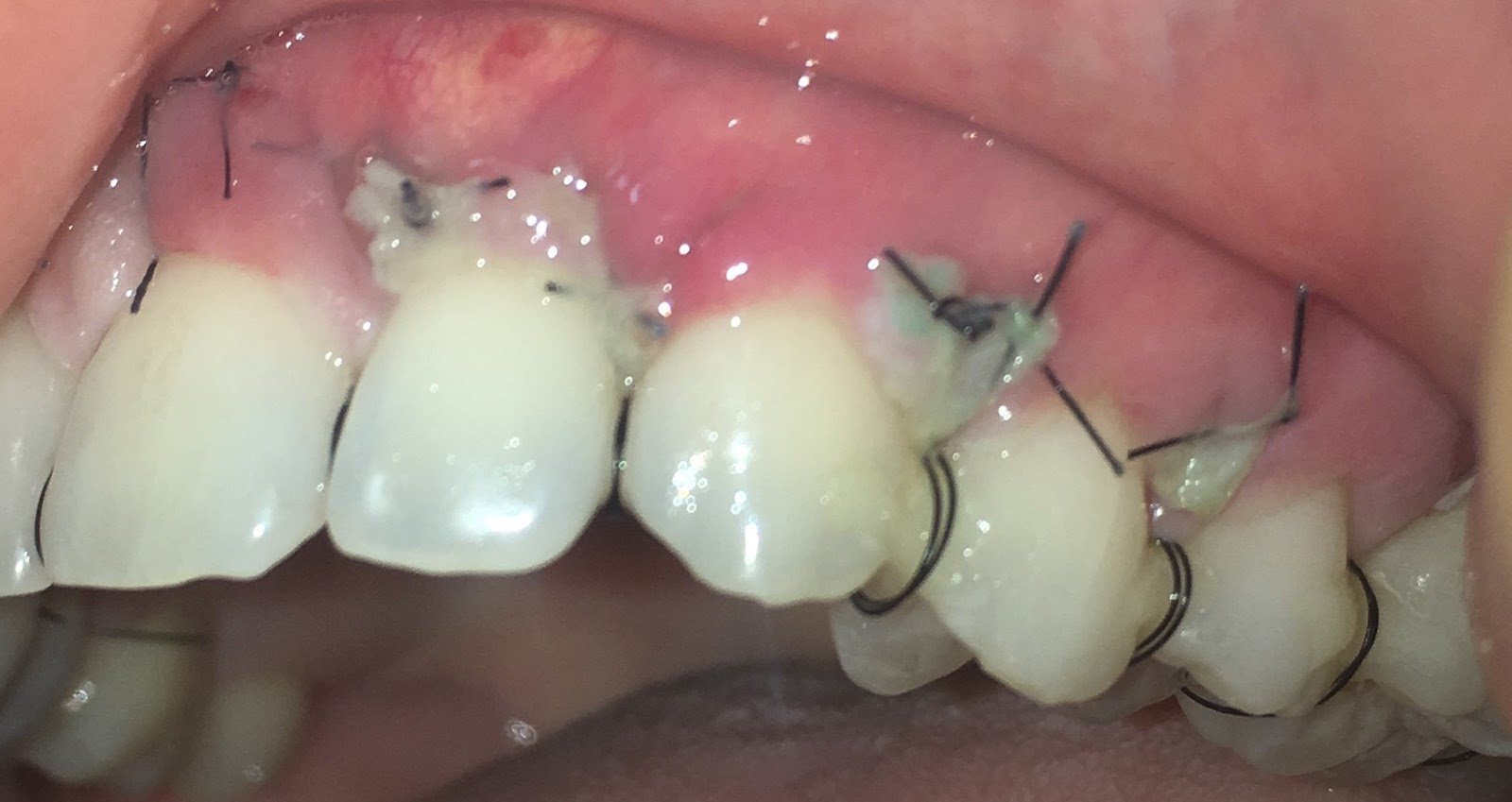
No, there is no pain. Free gingival graft operations are performed after highly effective local anaesthesia has been achieved, and they are generally not lengthy procedures.
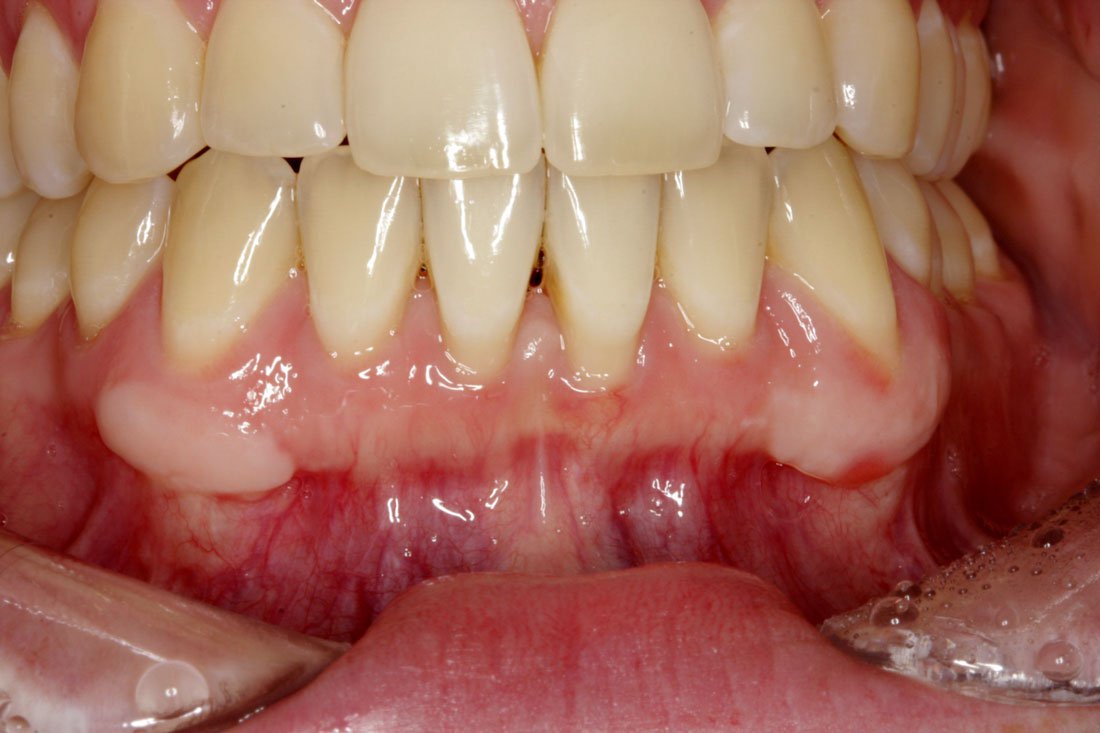
Gum recession can be covered with a free gingival graft. However, it is not the method used in every case of recession.
Connective tissue is the tissue layer underneath the epithelium. It is used mostly in cases where attached gingiva is present but the aim is to cover the recession partially or completely, or to thicken the gum phenotype. The healing process and the results obtained differ from those of a free gingival graft.