GINGIVITIS AND PERIODONTITIS TREATMENT
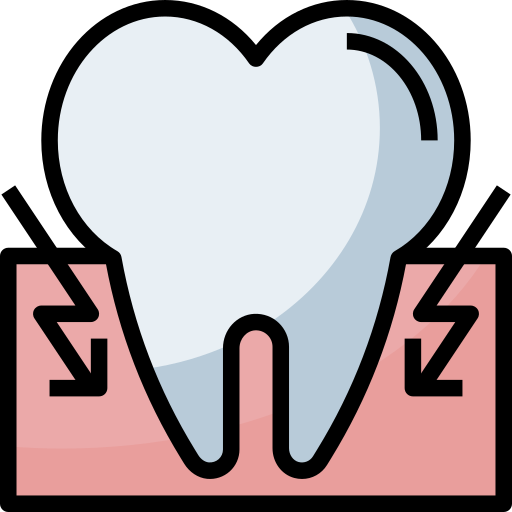
Gingivitis is the initial stage of gum disease. It is easily reversible; its symptoms include redness, swelling and bleeding of the gums and bad breath. Gum bleeding may occur while brushing or eating, but also without the gums being touched at all — even during sleep. In gingivitis the disease is still confined to the gums, which show only early symptoms, and no permanent damage has occurred.
Periodontitis develops when gum disease that begins as gingivitis progresses and destroys the bone tissue beneath the gums together with the periodontal ligament and cementum. In the presence of periodontitis, symptoms include bleeding gums, gum swelling, purplish-red gums, gum recession, gaps appearing between the teeth, loosening of the teeth, bad breath and a bad taste in the mouth.
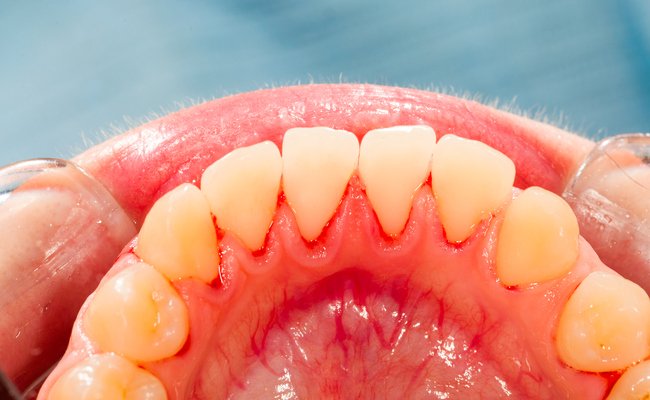
As with all gum diseases, the first essential step in treating gingivitis is for the patient to receive proper oral hygiene instruction. For a person who cannot clean all tooth surfaces and the tongue correctly, the results of any procedure will quickly be reversed.
The first stage is therefore for patients to recognise that their oral hygiene has lapsed, and to understand that restoring proper hygiene is a key part of correcting the problem. As a procedure, professional cleaning of the tooth surfaces is usually sufficient.
Some cases of gingivitis, when left untreated for a long time, can lead to gum swelling. Such swellings sometimes resolve after professional cleaning and improved oral hygiene habits, but sometimes they do not heal completely. In such cases more advanced intervention is required.
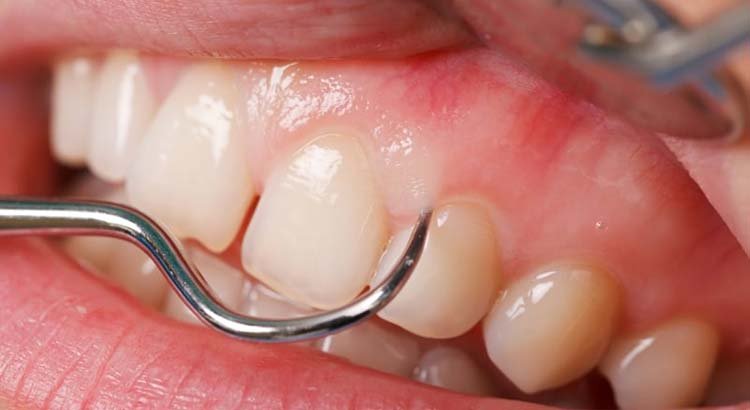
Treatment of periodontitis starts with an assessment of the amount and pattern of bone loss on a panoramic X-ray and an intraoral examination, followed by treatment planning. The first treatment to be performed in periodontitis is initial periodontal therapy as defined by the European Federation of Periodontology.
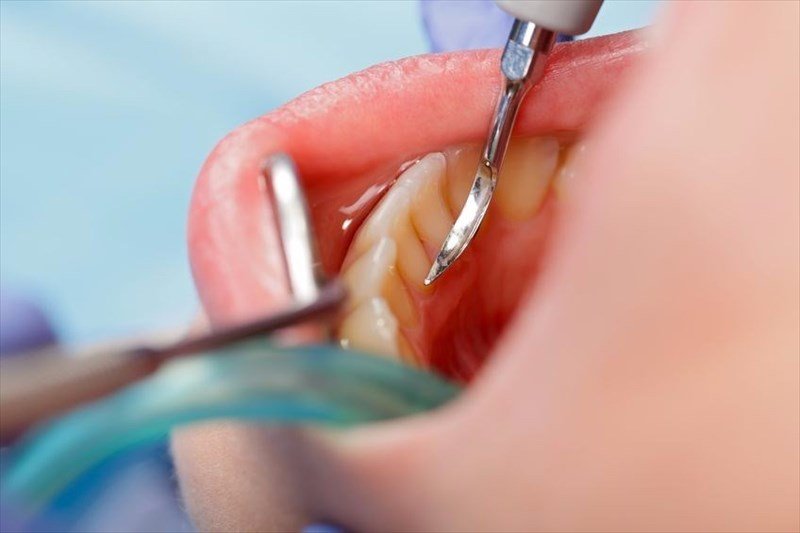
During Initial Periodontal Therapy, professional cleaning (scaling) and root planing are performed. Debris and calculus on the tooth surfaces are removed, deposits on root surfaces exposed by bone loss are removed with special hand instruments, and the root surfaces are smoothed. Local anaesthesia is used during these procedures and no pain is felt. At or before the first session the patient receives oral hygiene instruction, and suitable brushes and interdental cleaning products are recommended.
After Initial Periodontal Therapy a healing period follows. At the end of this period the patient is re-examined to evaluate the effectiveness of the treatment and the patient's ability to maintain oral hygiene. Based on this, the need for further periodontal procedures is determined.
In cases that do not heal with Initial Periodontal Therapy, an operation called flap surgery is performed: the gum is lifted, the inflamed tissue underneath and the calculus and debris that could not be reached during root planing are removed, and the tissues are repositioned and secured with sutures.
In some cases, depending on the amount of gum recession, a gum graft may be required: if the amount of gum tissue is insufficient, gum tissue of the required dimensions is taken from areas where it is plentiful and transferred to the deficient area. In this way the recession can be covered, although in some cases the recession is too advanced to be covered — in which case the goal of treatment is to stop its progression.